How to read a peptide COA
A peptide certificate of analysis, usually shortened to COA, is useful when you can connect its results to the material in front of you. Start with the identifiers, then read the measurements. A percentage on its own leaves most of that work unfinished.
For a European laboratory comparing suppliers, a consistent record is easier to review than a folder of screenshots. Keep the original document with the catalogue entry, receipt record and any questions still awaiting an answer.
Start with the material
Write down the full compound name, labelled amount and physical form before opening the report. Compare those fields with the sample description. Similar names can refer to different sequences, chemical forms or blends, so do not shorten a name simply to make two records match.
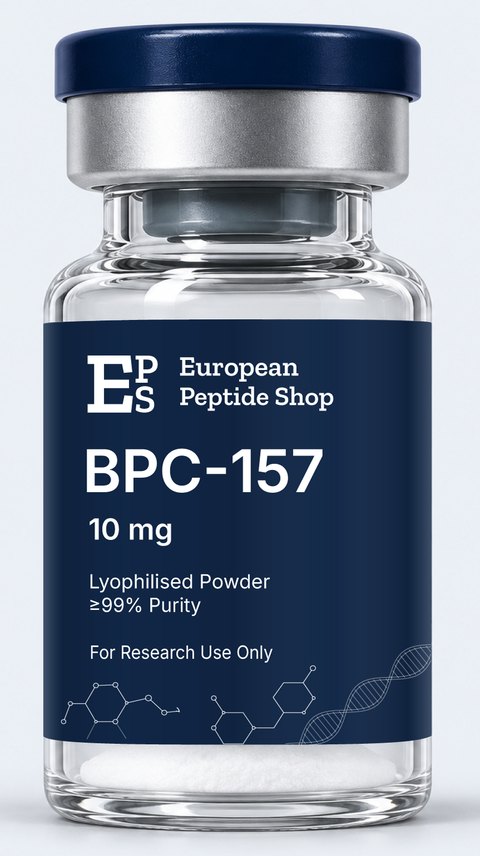
For example, the BPC-157 10 mg listing is a catalogue description. A document about a different amount or a blend needs an explained connection before it can support that listing. The product page and the report perform different jobs.
Make a report record
Use a small worksheet with one row per document. The following fields help a colleague repeat the check without having to reconstruct your search.
| Field | What to record |
|---|---|
| Material | Full name, form and labelled amount |
| Lot | Identifier on the container and any supplier mapping |
| Document | Issuer, report number and revision |
| Dates | Sample receipt, analysis and document date when given |
| Evidence | Original file location and date accessed |
| Open question | The exact missing or conflicting field |
If the report is revised, retain both versions and note which one replaced the other. A changed filename alone is a poor revision history. Save correspondence beside the document rather than leaving the explanation in somebody's inbox.
Separate the measurements
Identity, purity and quantity answer different questions. ICH Q6B discusses these as distinct parts of analytical characterisation and specifications. It is a technical reference for products within its scope, not a certificate for research materials offered by this store.
Read the result together with its method and units. A quantity reported in milligrams is not interchangeable with a chromatographic percentage. Our HPLC purity guide explains the distinction and gives a separate worksheet for interpreting the analytical result.
Keep gaps visible
Create a short list of questions before contacting the supplier. Ask about a named field: an absent lot identifier, an unexplained sample description, or a result without units. That produces a more useful answer than asking whether the product is simply good quality.
Record an unanswered question as unresolved. Do not replace an empty field with a number from a different product page or assume that a test was performed because it is common elsewhere. Where issuer verification is available, save the verification result separately from the supplier's copy.
Check the current listing
The EPS COA library shows whether a report has been published for each listing. Original Janoshik reports selected for EPS are available with their original client name and any missing batch fields visible. A published source report does not confirm that EPS has received or released physical stock.
Use the same worksheet again when a report becomes available. That leaves a clear record of what changed, which questions were answered and which requirements still need evidence.