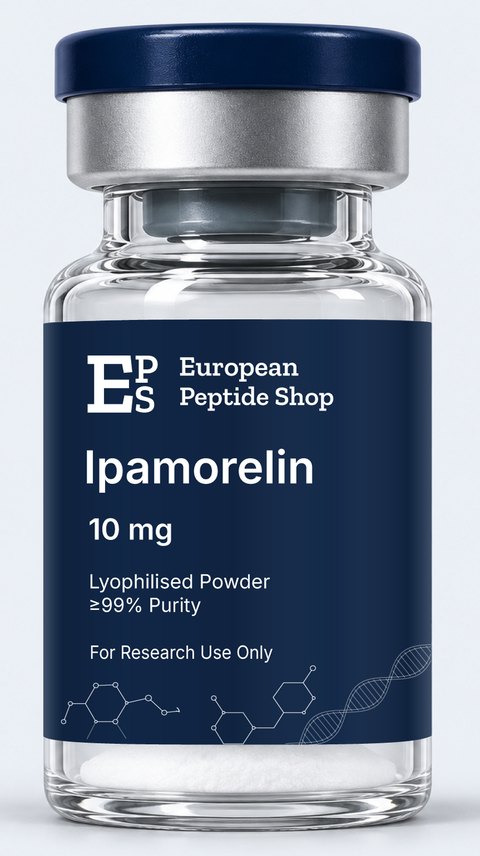
Peptide storage records
A useful peptide storage record starts before the material reaches a shelf. Save the supplier's instructions for the exact compound, form and container, then record what arrived. A general internet temperature chart cannot supply the missing history of an individual batch.
This guide proposes a documentation workflow for laboratory materials. It does not set a storage temperature, assign an expiry or describe how to prepare a solution. Those decisions need material-specific evidence and the laboratory's own procedures.
Make one record per lot
Use the full material name and supplier lot identifier as the starting point. Add the labelled amount, physical form, container description and date of receipt. Link the entry to its purchase record and any available certificate rather than keeping disconnected copies in several folders.
Give the material an internal identifier if your laboratory uses one. Keep both identifiers visible. A colleague should not need to know who created the record to find the matching vial or document.
Preserve the instructions
Save the instructions you received with the delivery and their version or date. If the supplier later changes its website, retain the earlier document with the receipt record and request clarification about which instructions apply to that lot.
Record the questions as well as the answers. If no storage statement is supplied, write that down and ask for one. Do not silently import instructions from another compound, another container size or a different physical form.
Capture the receipt condition
Create a short intake form that is easy to complete consistently. It can include the following fields without asking the receiver to make unsupported analytical judgements.
| Field | What belongs in the record |
|---|---|
| Receipt | Date, time and person checking the delivery |
| Packaging | Visible condition and photographs where useful |
| Documents | Instructions, certificate and delivery references |
| Monitoring | Logger identifier and file location, if supplied |
| Exception | Missing information or an observed discrepancy |
| Follow-up | Question sent, response received and review decision |
Describe observations directly. For example, record that an outer box was wet or that a logger file was absent. Neither observation alone provides an analytical result for the material inside.
Keep conditions and conclusions separate
Stability testing examines changes over time under specified conditions. EMA's draft ICH Q1 reference discusses environmental and physical factors including temperature, humidity, light and agitation. It provides context for understanding stability evidence; it does not assign a shelf life to an EPS listing.
A shipping history is useful evidence about conditions during transit. It is not the same thing as a study showing how the particular material behaved under those conditions. Keep the observation, supporting data and any resulting decision in separate fields.
Record subsequent changes
Log changes in storage location, container status and any documented exception. Link each entry to the same internal material identifier. If a question is referred to the supplier or a laboratory reviewer, keep the reply with the record and note who resolved it.
When new documentation arrives, add it without overwriting the earlier history. That makes later review possible and avoids presenting the newest file as though it had always been available.
For product names and formats, begin with the research catalogue. For analytical documents, check the COA library and the guide to reading a COA. Catalogue information, analytical results and storage history are separate parts of the same material record.