30 mg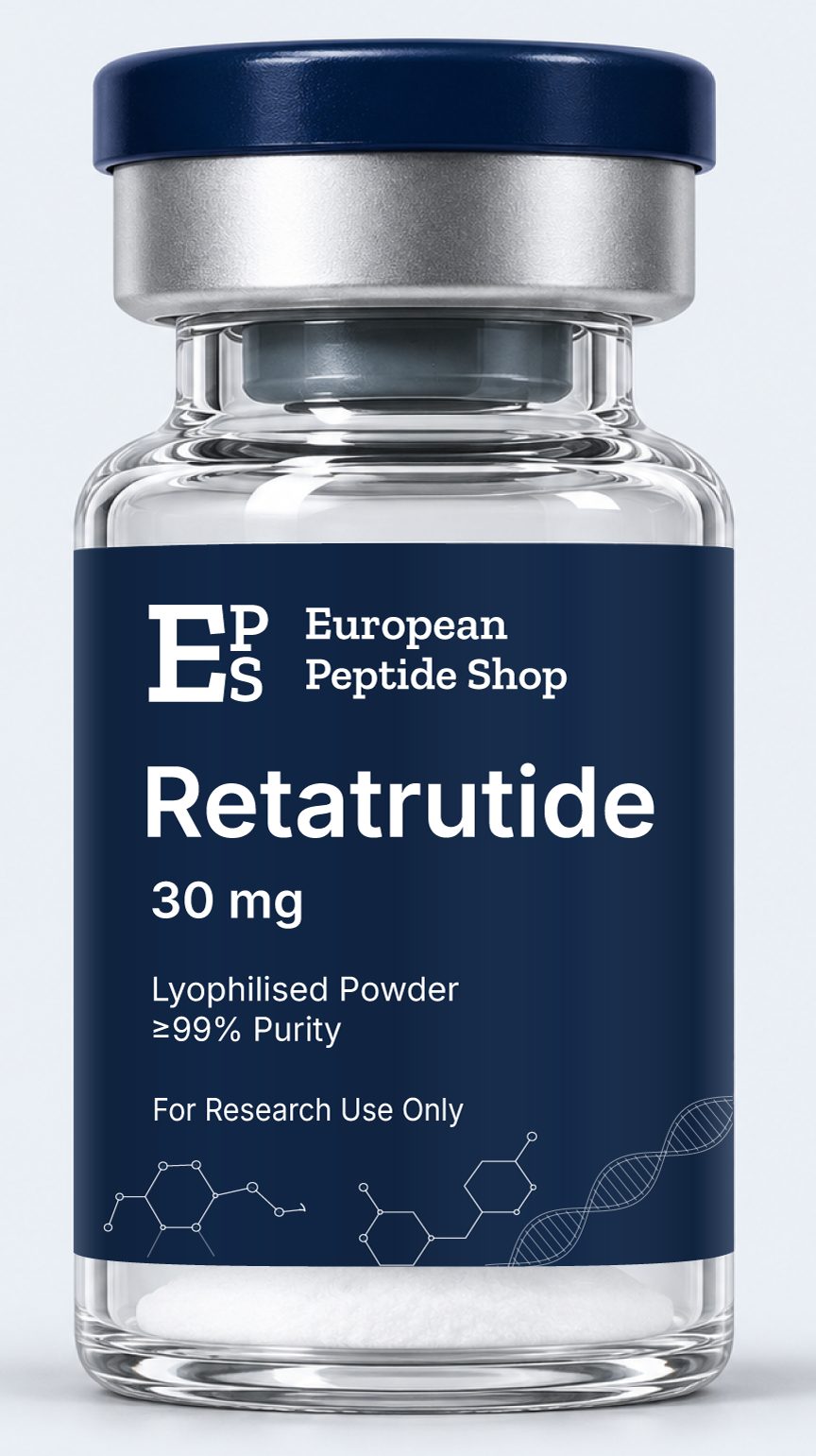
Metabolic research
Retatrutide
Read product FAQsOrdering opens later. Prices and availability are not yet published.
Ordering opens later. Prices and availability are not yet published.
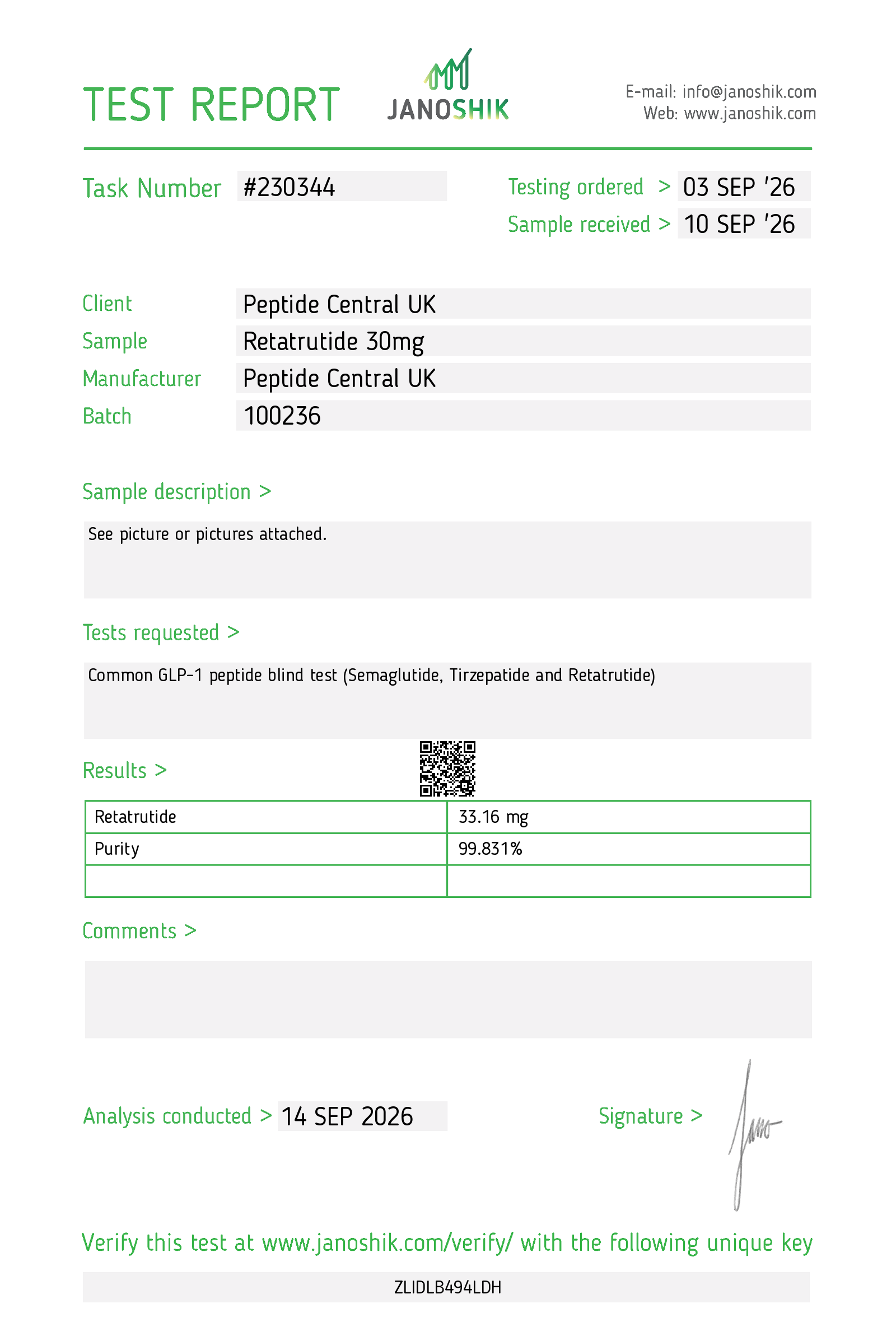
Certificate of analysis
Batch 100236 · Janoshik #230344
Analysed 14 September 2026. Reported purity: 99.831%.
Original report client: Peptide Central UK.
Verification key: ZLIDLB494LDH
Retatrutide 30 mg, supplied as lyophilised powder in a sealed, labelled vial for in-vitro laboratory research.
⚠ For laboratory research only. Not for use in or on humans or animals.
Specification
- Compound
- Retatrutide
- Labelled amount
- 30 mg
- Form
- Lyophilised powder
- Research area
- Metabolic research
- Label specification
- ≥99% purity (ordering specification)
- Batch report
- Janoshik #230344
- Batch number
- 100236
- Reported purity
- 99.831%
- Analysis date
- 14 September 2026
- Storage
- Stated with each batch
Images are packaging concepts, not photographed inventory.
About the material
What do Reta, R3TA, RT3 and LY3437943 mean?
Reta is a common abbreviation for retatrutide; R3TA and RT3 also appear as informal labels. LY3437943 is its development code. Read the Retatrutide research overview; abbreviations do not verify a vial identity.
What is a Retatrutide 30 mg vial?
The EPS entry describes a single-compound lyophilised powder vial with 30 mg as its nominal material amount. It does not specify a dose, concentration or a ready-made solution.
How do Retatrutide 10 mg, 20 mg, 30 mg and 60 mg compare?
Does a larger Retatrutide vial have higher purity?
Labelled mass and chromatographic purity are different measurements. A 60 mg label cannot establish a higher purity result than a 10 mg label, and a report for one size cannot verify another sample.
Is Retatrutide a blend of three peptides, sometimes called GLP-3?
Retatrutide is one peptide investigated for activity at GIP, GLP-1 and glucagon receptors. Three receptor targets do not mean three blended peptides, and GLP-3 is informal terminology rather than the name of a separate hormone.
Is this vial equivalent to material supplied in a Retatrutide clinical trial?
Trial material has study-specific formulation, manufacturing and oversight. An independently supplied powder with the same compound name cannot be assumed to match it or reproduce a trial outcome.
Which Retatrutide vial size offers the lowest cost per labelled mg?
Use current EPS prices and divide each by its own labelled mass, then compare shipping and documentation. No price advantage can be established for an unpriced format. Read the Retatrutide vial comparison guide.
Vial amounts and testing
What does the Retatrutide 30 mg label measure?
30 mg identifies the nominal mass of material per vial. It does not specify a dose, a concentration in mg/mL or a measured-content result. Concentration additionally requires a defined final solution volume.
Where is the certificate of analysis for Retatrutide 30 mg?
This page links Janoshik report #230344, an original source report naming Peptide Central UK as its client. The reported batch is 100236. This documents the submitted sample, not a verified connection to current EPS inventory. The COA library retains the original document and verification details.
How do I check whether a Retatrutide COA matches my vial?
Compare the compound, chemical form, vial amount, sample description and batch or lot number. Verify the report through the issuing laboratory using its identifier and key. Use the COA verification checklist.
Does a Retatrutide purity result verify content, sterility or endotoxins?
The linked source report states 99.831% purity for its tested sample. A purity percentage does not quantify milligrams per vial or establish sterility and endotoxin results. Those require their own stated tests. The label's ordering specification is not a measured batch result.
Ordering and handling
What is the price and availability of Retatrutide 30 mg at EPS?
Use the purchase section on this page for the current EPS listing status. A displayed sample price or preview basket does not establish live inventory or a confirmed order. Where the page says Price at launch, no selling price has been confirmed. Contact EPS for product enquiries.
How do I compare Retatrutide 30 mg prices per mg?
Divide the current single-vial price by 30 for cost per labelled mg. Include shipping and compare the same chemical form and documentation. Other EPS formats: Retatrutide 10 mg, Retatrutide 20 mg, Retatrutide 60 mg. An unpriced size cannot establish a lowest-cost option.
How should Retatrutide 30 mg be stored?
Follow verified storage instructions for the exact supplied material and batch. Storage of dry powder and a prepared solution are separate questions. A general temperature range or preservative does not establish stability or an expiry. Read the storage and stability record guide.
How should Retatrutide 30 mg be reconstituted for laboratory research?
Use a procedure validated for the exact chemical form and intended assay. Confirm solvent compatibility, concentration, container capacity and stability evidence; no universal diluent or shelf life is established here. Read the laboratory preparation guide. EPS does not provide administration or dosing instructions.
Where does EPS ship Retatrutide 30 mg, and when will it dispatch?
EPS delivery destinations, dispatch origin, rates and times must be confirmed in the shipping information before orders open. A country page or catalogue listing is not a delivery guarantee. Dispatch promises from another retailer do not apply to EPS.
What should I do if my Retatrutide 30 mg vial arrives damaged?
Keep the packaging and label, photograph the damage and contact EPS with the order and batch details. Read the EPS returns and withdrawal information for the applicable process and rights. Another retailer's return deadlines do not define EPS terms.
What is the permitted use of Retatrutide 30 mg?
Retatrutide 30 mg is listed for lawful in-vitro laboratory research as research material. It is not supplied for use in or on humans or animals. EPS does not provide dosing or self-administration guidance. Read the research use statement and assess the requirements that apply to the intended laboratory work.
Related listings
Metabolic research
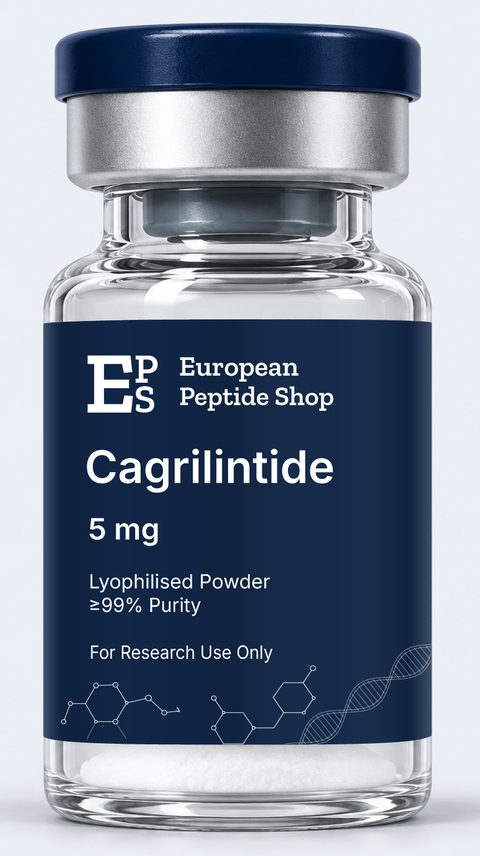
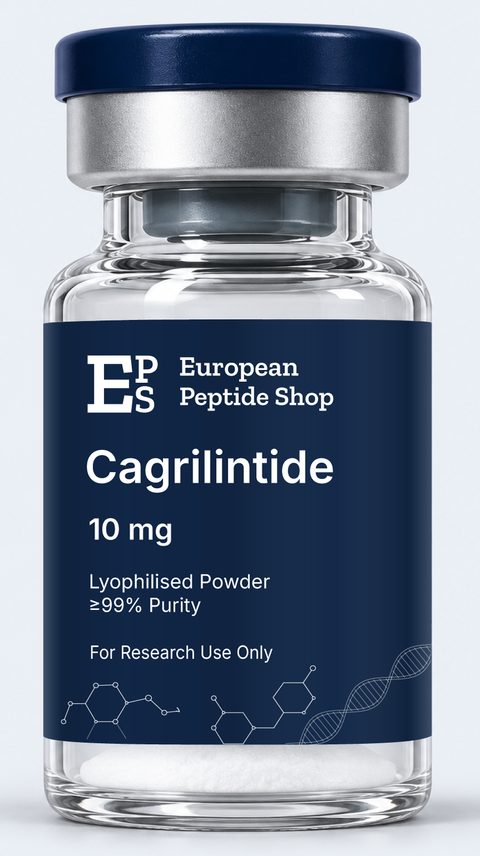
Cagrilintide
Ordering opens later. Prices and availability are not yet published.Details
Metabolic research
Cagrilintide
Ordering opens later. Prices and availability are not yet published.Details
Metabolic research
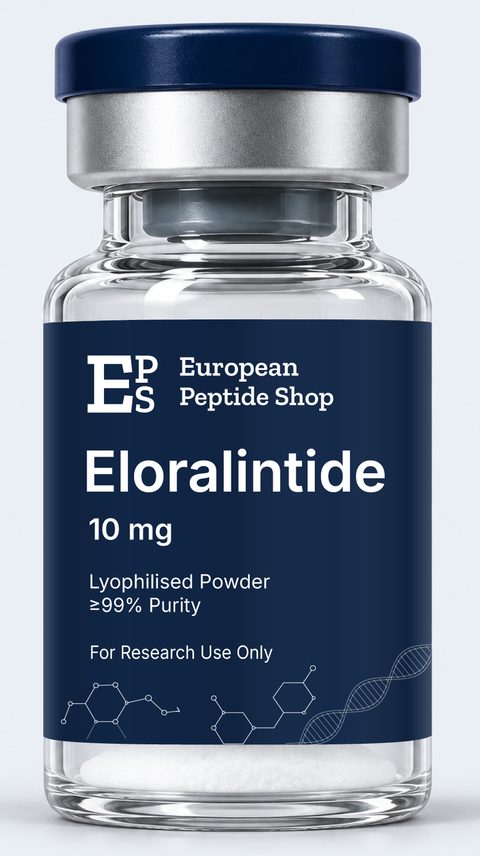
Eloralintide
Ordering opens later. Prices and availability are not yet published.Details